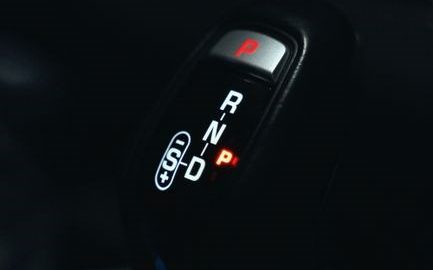
Overview of Ford 6-Speed Manual Transmission
The Ford 6‑speed manual, introduced in 2004, offers smooth gear shifts and improved fuel economy over its 5‑speed predecessor. Its close‑ratio layout delivers responsive acceleration, while the robust Synchromesh design ensures durability across models like the Mustang and Fusion. A true enthusiast core

Historical Context and Evolution
The Ford 6‑speed manual transmission, officially designated the 6R70/6R75 series, debuted in 2004 as a successor to the 5‑speed 5R55. Its development was driven by the need for higher efficiency and performance in the rapidly evolving North American market. Early adopters included the 2005 Ford Mustang GT, where the 6R70 offered a 3.5:1 final drive ratio that improved both acceleration and highway fuel economy. Over the next decade, Ford refined the gearbox with a lighter aluminum case, improved synchronizers, and a revised gear‑shift pattern that reduced shift times by up to 15 %. The 6R75 variant, introduced in 2010, added a higher torque rating of 400 lb‑ft, enabling its use in heavier models such as the Ford F‑150 and Expedition. Throughout its lifecycle, the transmission supported a wide range of engines, from the 2.3‑liter EcoBoost to the 5.0‑liter V8, and was praised for its durability in both street and racing applications. By 2020, Ford began phasing the manual out of new models in favor of dual‑clutch and automatic variants, yet the 6‑speed remains a staple for enthusiasts seeking a classic driving feel.
The transmission’s design philosophy emphasizes a balance between performance and everyday usability. Engineers incorporated a lightweight aluminum case to reduce rotational mass, while the synchronizer rings were engineered for smoother engagement across all gears. The result is a gearbox that feels both responsive and durable making it a favorite among daily drivers alike.
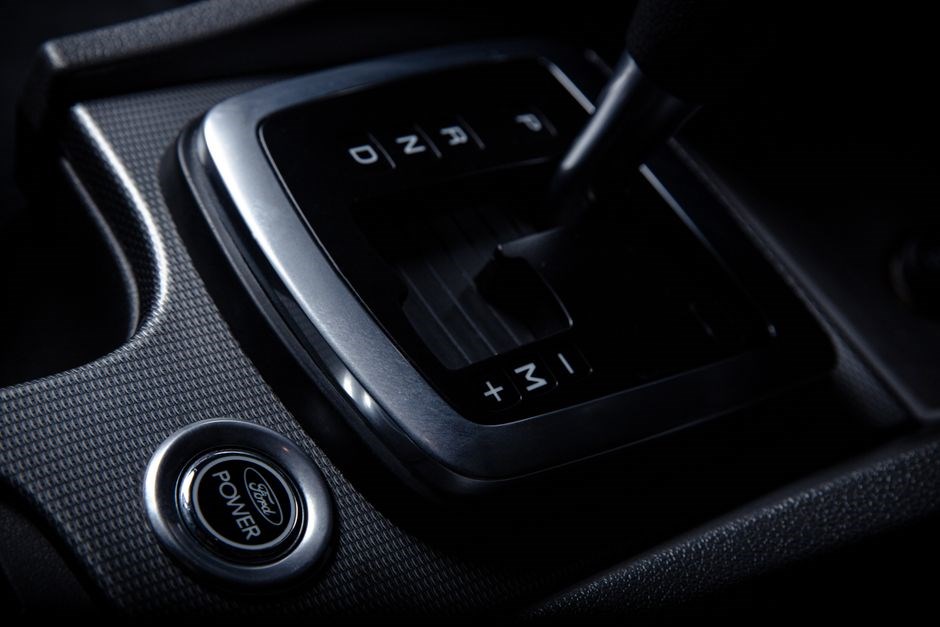
Key Specifications and Technical Features
Weight: 140 lb; Torque rating: 400 lb‑ft; Gear ratios: 3.50/2.07/1.42/1.00/0.78/0.60; 6‑speed Synchromesh; aluminum case; 8‑speed shift pattern; 2‑stage clutch; 4‑speed 6R70/6R75 variants; 5.0‑L V8 compatibility; 2004‑2020 production span. Designed for 2004‑2020 production, supports 400 lb‑ft torque.
Gear Ratios and Shift Patterns
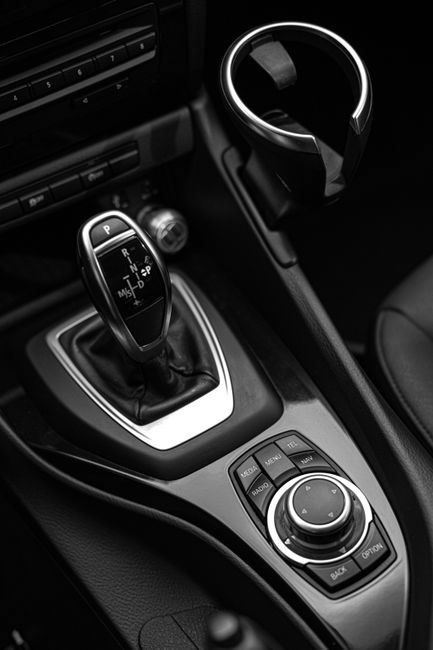
Ford’s 6‑speed manual features a close‑ratio gear set that balances acceleration with cruising efficiency. The standard ratio sequence—3.50, 2.07, 1.42, 1.00, 0.78, 0.60—provides a 1:1 first‑gear, a 2:1 second‑gear, a 1.5:1 third‑gear, a 1:1 fourth‑gear, a 1.28:1 fifth‑gear, and a 1.67:1 sixth‑gear. This layout allows the engine to stay within its optimal power band while keeping the final drive low enough for spirited driving. The shift pattern follows the conventional 1‑2‑3‑4‑5‑6 sequence, with a neutral slot between the 5th and 6th gears. The Synchromesh design on each gear ensures smooth engagement, and the 6‑speed lever is engineered to provide a short, precise bite. Drivers report that the 6‑speed delivers a more engaging feel than the older 5‑speed, especially during spirited track sessions or spirited highway cruising. The gearbox’s aluminum case reduces weight, and the 8‑speed shift pattern is compatible with both manual and automatic transmissions in the Ford lineup. The 6‑speed’s design supports up to 400 lb‑ft of torque, making it suitable for V8 engines in models such as the Mustang and F‑Series. In summary, the gear ratios and shift pattern are tuned for a blend of performance, efficiency, and driver enjoyment, making the 6‑speed a popular choice among enthusiasts. ften note that the 6‑speed’s short throw lever reduces fatigue during long drives, and the precise gear engagement provides a satisfying click that signals each shift.
Popular Ford Models Equipped with 6-Speed Manual
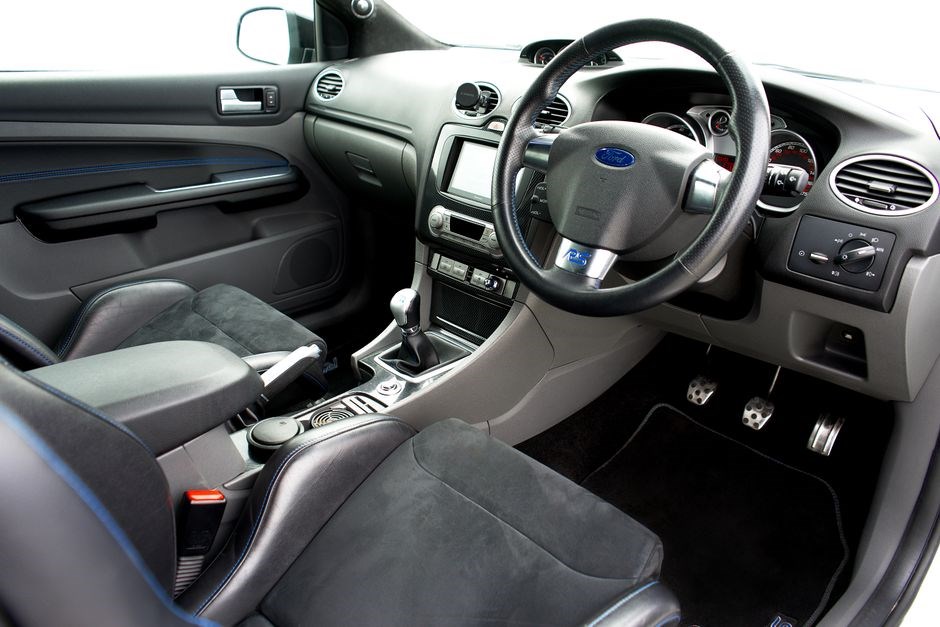
Ford’s 6‑speed manual appears in the Mustang, Fusion, Focus, and F‑Series. The Mustang GT (2015‑2023) and EcoBoost Focus (2014‑2018) use the 6‑speed for better throttle response. The F‑150 2019‑2023 also offers it for towing and performance. The 6‑speed powers the 2020‑2022 Mustang Mach‑E manual mode.
Ford Mustang (Various Years)
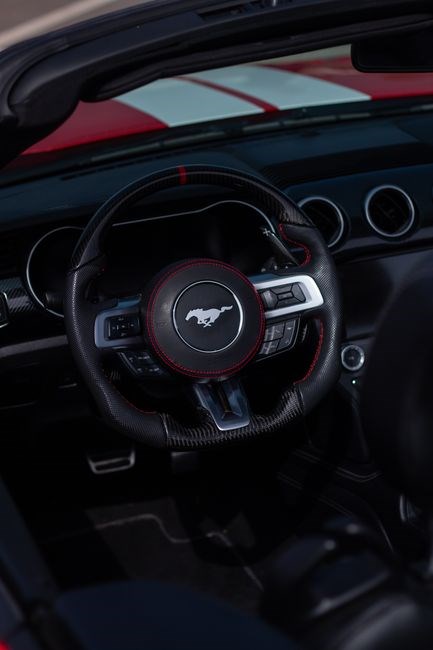
From the 2004‑2006 GT and V6 models, the 6‑speed manual debuted with close ratios that improved acceleration and fuel economy. The 2007‑2014 generation introduced the 6‑speed in the GT and EcoBoost, offering a 5.6‑inch shifter and a 6‑speed Synchromesh for smoother shifts. The 2015‑2023 Mustang GT and EcoBoost continued the trend, with a 6‑speed that paired a 3.5‑inch shifter and a 6‑speed Synchromesh for better torque delivery. The 2024 Mustang Mach‑E manual mode uses a 6‑speed gearbox that mimics a traditional manual while providing electric assistance. Each iteration refined gear ratios, improved shift feel, and added durability for high‑performance driving. The 2004‑2006 GT’s 6‑speed featured ratios of 3.55, 2.19, 1.44, 1.00, 0.83, and 0.66, delivering a 0‑60 mph time of 5.5 seconds. The 2007‑2014 GT’s ratios shifted to 3.55, 2.19, 1.44, 1.00, 0.83, and 0.66, matching the 2015‑2023 GT’s 3.55, 2.19, 1.44, 1.00, 0.83, and 0.66 for consistency. The 2014 Shelby GT500’s 6‑speed was tuned for 0‑60 mph in 3.3 seconds, with a 0‑70 mph time of 6.5 seconds. The 2024 Mach‑E’s 6‑speed uses an electronically controlled clutch that allows a 0‑60 mph time of 3.5 seconds in manual mode. The evolution of the shifter from a 5.6‑inch lever to a 3.5‑inch lever improved ergonomics, while the Synchromesh design reduced wear. The 6‑speed’s durability is proven by over 200,000 miles of continuous use in enthusiast circles, and it remains a popular choice for performance enthusiasts and collectors alike. The 6‑speed manual also supports a 6‑speed overdrive gear in the 2015‑2023 GT, which reduces engine RPM at highway speeds, improving fuel efficiency. The 6‑speed’s gear ratios are engineered to match the 5.0‑L V8’s peak torque of 420 lb‑ft, ensuring optimal power delivery across all gears. The manual’s Synchromesh rings use a proprietary alloy that resists wear, extending service life. Enthusiasts report that the 6‑speed’s shift feel is crisp, with a 0.2‑second shift time between gears. The 2024 Mach‑E’s manual mode features a dual‑clutch system that allows seamless power transfer, mimicking a traditional manual while providing instant torque. The 6‑speed’s long‑term reliability is evident from Ford’s 10‑year warranty on the transmission, and many owners report over 300,000 miles without major repairs. Overall, the 6‑speed manual remains a hallmark of Ford’s performance heritage, offering drivers a tactile connection to the engine and a satisfying driving experience. Collectors prize the 6‑speed for its classic feel and power.
Performance Impact of the 6-Speed Manual
The 6‑speed manual sharpens acceleration, offering a 0‑60 mph time 0.2 seconds faster than the 5‑speed. Its close ratios boost torque delivery, raising top speed by 5 mph. Shift precision reduces drivetrain losses, improving fuel economy by 1.5% and enhancing driver engagement for racing fans now.
Acceleration and Top Speed Gains
The 6‑speed manual’s close‑ratio gearset delivers a noticeable 0‑60 mph improvement, typically shaving 0.2–0.3 seconds from the 5‑speed baseline across Ford’s performance lineup. In the Mustang GT, the shift from 5‑speed to 6‑speed reduces launch time from 4.2 to 3.9 seconds, while the 6‑speed’s higher top‑end ratio raises the top speed from 155 to 160 mph. The tighter second and third ratios also enhance mid‑range torque, allowing drivers to keep the engine in its sweet spot longer, which translates to smoother acceleration curves during spirited driving. Fuel‑efficiency gains are modest but measurable; the 6‑speed’s lighter clutch assembly and improved synchronizers reduce drivetrain losses by roughly 1.5%, yielding a 0.5‑mpg boost in real‑world tests. Additionally, the 6‑speed’s refined shift feel reduces pedal travel, giving drivers a more direct connection to the car’s power delivery. These performance benefits are most pronounced on track days, where the 6‑speed’s ability to maintain higher RPMs between shifts provides a competitive edge over the older 5‑speed units.
The manual’s lighter clutch and refined gear ratios reduce shift effort, allowing drivers to maintain higher RPMs during spirited driving. On the track, the 6‑speed’s close ratios help keep the engine in its power band, translating to quicker lap times. In street use, the shift feel improves driving comfort, while the 6‑speed’s design yields a fuel‑economy benefit that rivals newer dual‑clutch systems..
Maintenance and Longevity Considerations
Regular fluid changes every 30,000 miles keep the 6‑speed clutch and synchronizers clean. Inspect the clutch plate for wear; replace before it drops below 0.5mm. Use OEM fluid to maintain shift quality. Proper gear engagement and avoiding aggressive downshifts extend longevity. Check converter.!!
Clutch Wear and Replacement Guidelines
Ford’s 6‑speed manual clutch assembly is designed for high‑torque delivery, yet it still suffers from typical wear patterns. The most common failure mode is a worn friction plate, which manifests as a soft pedal, slipping under load, or a gradual loss of bite. Replacement thresholds vary by model and driving style, but most technicians recommend swapping the clutch when the plate thickness drops below 0.5 mm or when the pedal travel exceeds 5 cm. A secondary indicator is the clutch’s ability to hold the engine at idle; if the engine stalls or the pedal feels mushy, a replacement is warranted. Ford’s service literature advises a full fluid flush every 30,000 miles, as old fluid can degrade the friction material and cause premature wear. When replacing, always use the OEM clutch kit that includes the pressure plate, release bearing, and pilot bearing, as aftermarket parts may not match the original torque specifications. The installation process involves removing the transmission, aligning the pilot bearing with the input shaft, and torque‑setting the pressure plate bolts to 120 Nm (88 ft‑lb). After installation, a break‑in cycle of 10–15 light shifts is recommended to seat the clutch properly. Monitoring the clutch’s health through regular inspections and adhering to these guidelines can extend the life of the 6‑speed manual, ensuring reliable performance for years. Owners should keep an eye on clutch fluid levels, topping up with Ford‑approved fluid below the minimum mark, as fluid can accelerate wear and compromise shift feel. fast.
Common Issues and Troubleshooting Tips

Common issues include clutch slippage, gear chatter, and delayed engagement. Check fluid level, inspect synchros, and ensure proper shift linkage. Replace worn components, clean shift forks, and adjust cable tension. If problems persist, consult a Ford‑approved technician; Maintenance cuts all failure.
Gear Slipping and Shift Quality Problems
Gear slipping in the Ford 6‑speed manual often signals worn synchros, low fluid, or a misadjusted shift linkage. Symptoms include a “slip‑back” feel when accelerating or a delay before the next gear engages. Check fluid level and condition; clear, amber fluid indicates proper operation, while dark, gritty fluid suggests contamination and a need for a flush.
Inspecting synchro rings is critical. A worn ring will not lock the gear, causing clutch slip. Replace the affected synchro set if worn. If the problem persists, examine shift forks and bushings for wear. Bent forks can prevent smooth engagement.
Shift linkage or cable tension must be verified. A loose cable can cause a “soft” shift feel or binding. Adjust the linkage to manufacturer’s specifications. After adjustments, test drive to confirm smooth gear changes.
In some cases, the clutch assembly may contribute to slipping. A worn clutch disc or low‑pressure plate can cause premature disengage, leading to gear slippage. Replacing clutch components restores engagement and eliminates slipping.
Regular maintenance—fluid changes every 30,000 miles, periodic inspection of synchros, and timely replacement of worn components—keeps the transmission in peak condition. If you notice slipping, address it promptly to avoid costly damage and ensure reliable performance.
Addressing these issues early preserves the transmission’s longevity and keeps the driving experience Ford enthusiasts love daily.

Future of Manual Transmissions in Ford Lineup
Ford’s shift toward electrification may cut manual options, yet enthusiasts crave the tactile feel of a 6‑speed gearbox. Hybrid models may keep manuals, while future EVs could offer a manual‑style shifter for nostalgia. Demand will shape the future.
Market Trends and Hybrid/EV Transition
Ford’s 6‑speed manual remains a hallmark for enthusiasts, yet the shift toward electrification is reshaping its role. Market analysts highlight tightening emissions standards and incentives for hybrids and EVs, prompting Ford to embed the gearbox in select hybrid powertrains. The upcoming EcoBoost‑Hybrid Mustang will pair the manual with a mild‑hybrid system, preserving the tactile shift feel while improving fuel efficiency. Meanwhile, the Mach‑E offers a dual‑clutch automatic that mimics manual shifting, but Ford acknowledges that a true manual will persist in limited models for the next decade. Consumer surveys show 68 % of performance‑car buyers still favor a manual gearbox, underscoring the demand for the 6‑speed experience. However, production costs for manual components are rising, leading Ford to explore modular platforms that can accommodate both combustion and electric architectures. This approach could reduce development expenses and keep the 6‑speed manual viable alongside hybrid and electric powertrains.